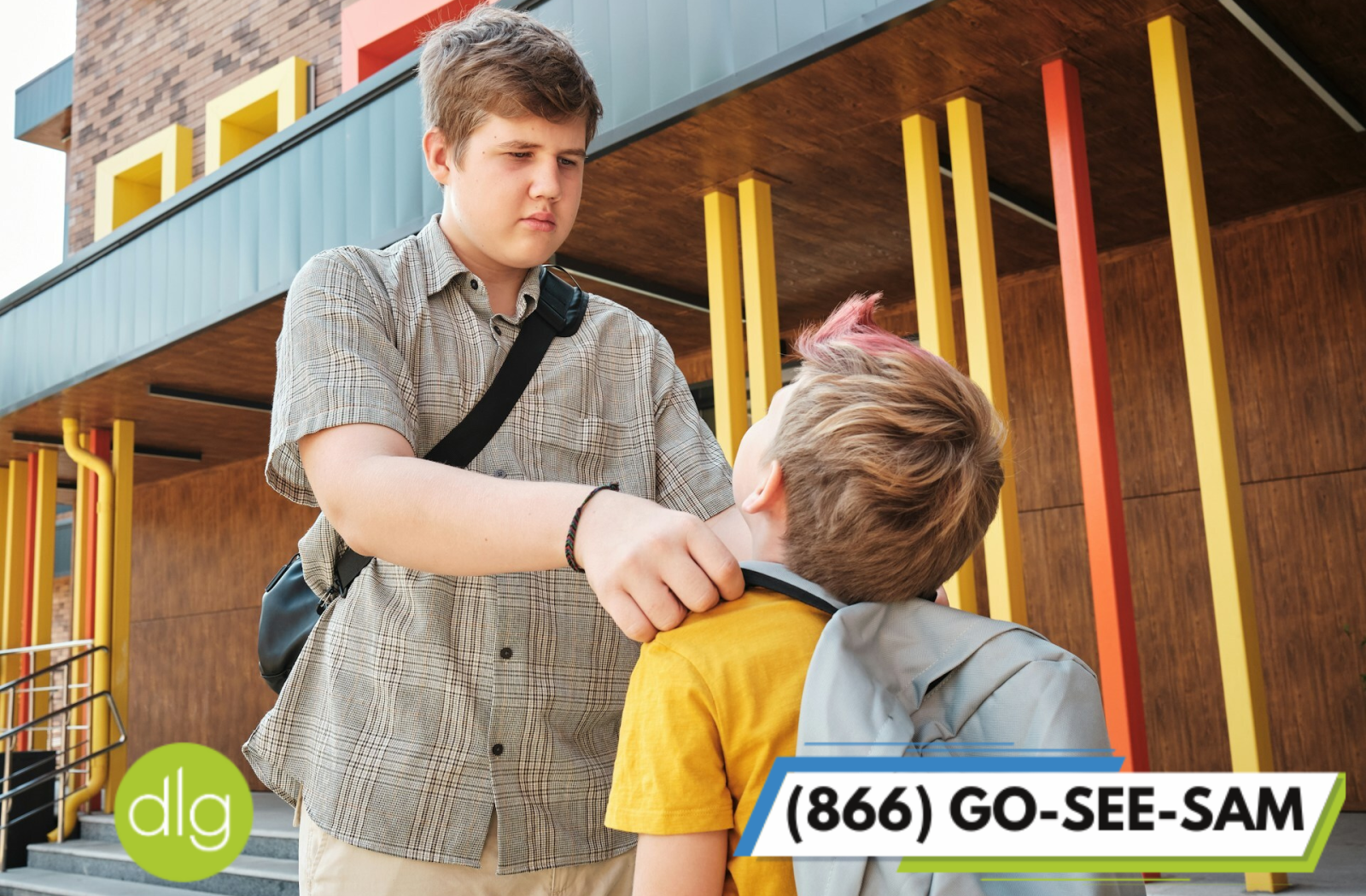
Parents of school-age kids in Los Angeles know how unpredictable childhood can be. Between managing homework, friendships, and after-school activities, there’s already a lot going on. That’s why spotting bullying isn’t always easy. It doesn’t always show up in the way people think. Sometimes, it’s not loud words or obvious teasing. Instead, it can show itself in ways that are easy to miss, like changes in your child’s body or their daily habits.
Kids won’t always tell an adult when something’s wrong. They may be scared, embarrassed, or unsure of how to explain what’s happening. That’s why knowing how bullying might show up physically is one step in protecting your child. Small signs can give you early clues. When you know what to look for, you’re in a better position to help them feel safe again.
Common Physical Signs Of Bullying
A sudden new bruise. A missing piece of clothing. Regular complaints about mystery stomach aches. These physical signs might seem small at first. But when they start happening more than once or follow a pattern, it’s worth paying closer attention. These changes are often ways your child’s body is trying to tell you something.
Here are some common physical signals that can indicate a child has been harmed or is under stress due to bullying:
Unexplained injuries: Small cuts and bruises that a child can’t explain, or that come with vague stories, are a red flag. Kids being physically bullied might try to hide these injuries by wearing long sleeves or avoiding certain activities.
Frequent complaints about headaches or stomach aches: If your child suddenly wants to miss school often because of these types of pain, it could be a response to fear or stress. These are not always caused by illness. Physical discomfort can be tied to emotional pain from bullying
Changes in eating habits: Some kids may start skipping meals altogether, especially lunch at school. Others might begin eating too much once they get home. Watch for changes in weight or signs of binge eating. These can both be tied to anxiety or feelings of discomfort during the school day.
A parent once noticed her daughter was coming home hungrier than usual, even though she packed a full lunch. It turned out her lunch was being taken by another student, and she had been too embarrassed to say anything. Physical signs like this, although easy to miss, were small clues that finally led to a discussion about what was really happening.
Being aware of these changes and acting early can keep things from getting worse.
Changes In Behavior And Routines
Physical signs don’t always stand alone. They often come with changes in how a child acts. When bullying happens regularly, routines usually start to shift. The once-excited kid who talked non-stop about art class might stop mentioning school at all. Or your child could begin to isolate themselves, turning down things they used to love. These habits don’t shift without a reason.
Here are some patterns to look for:
Sudden drop in grades or interest in school: If a child who used to keep up with schoolwork suddenly stops trying, bullying may be affecting their focus, self-esteem, or mood.
Avoiding social events or school activities: Children who face bullying may avoid the bus, recess, or even places they used to enjoy. Skipping events or feigning illness repeatedly could be a way to stay away from a place where they don’t feel safe.
Disrupted sleep patterns: Trouble falling asleep, nightmares, or waking up during the night can point to stress or fear. If your child starts having a hard time sleeping and there’s no clear reason why, think about what might be going on beneath the surface.
It’s easy to dismiss these shifts as part of growing up, but when multiple changes happen at once or seem out of character, they’re worth looking into. Keeping a mental log of what’s different can make it easier to spot patterns if the behavior continues. And it can give you something concrete to bring up during a gentle conversation with your child.
Impact On Mental Health
While physical signs help show that something might be wrong, the emotional signs can go deeper and last longer. Mental health struggles often show up more quietly than bruises and cuts, but they can be just as serious. Bullying chips away at how a child feels about themselves. Over time, their confidence, happiness, and even willingness to talk can start to fade.
Watch for these emotional and behavioral changes at home:
Increased worry or signs of anxiety: Some kids might start pacing, becoming jumpy, or acting nervous over small things. They may bite their nails more often or get upset when routines change.
Sudden anger or emotional highs and lows: Outbursts that seem out of proportion for minor reasons could mean they’re holding in a lot of stress from their school day. These emotional shifts often happen when they feel helpless but don’t know how to say so.
Pulling away or feeling down: A child who is usually outgoing might begin to shut down or want to be alone more. Kids feeling hopeless might shrug off things they used to care about or say negative things about themselves.
Left unchecked, these changes can start to affect everything such as school, friendships, self-belief, and physical health. Kids may not have the words for what they’re going through, but their actions and feelings often hold the truth. It’s important to look beyond the surface and gently make room for safe conversations.
Steps Parents Can Take To Support Their Child
Sometimes, kids don’t tell you what’s wrong because they think it won’t help. Other times, they’re worried what will happen if they do. That’s why your response matters just as much as the signs themselves. Being calm, open, and honest can help create a space where your child feels comfortable sharing.
Here’s how you can support your child if you think bullying is the problem:
1. Talk in small steps: Instead of pushing for answers, check in with your child about their day in a relaxed setting, maybe at dinner or during a car ride. Make it known that you’re there, no pressure involved.
2. Stay curious, not forceful: Use open-ended questions like “Is anything making you feel upset at school?” or “Have any friends been acting different lately?” Kids are more likely to answer when they don’t feel judged.
3. Watch and document patterns: Make note of injuries, habits, or phrases your child says regularly. This can help later if you decide to reach out to the school or legal professionals.
4. Remind them they’re not alone: Whether it’s offering to speak with a teacher together or finding someone outside the home they can talk to, build a circle of trust. Support can make all the difference.
5. Reach out to professionals: It’s okay if you don’t have all the answers. If your child is dealing with bullying that isn’t improving, you can contact lawyers for bullying in schools. They can guide you through your options and help protect your child’s rights.
Even small efforts can make your child feel stronger. Knowing someone believes them can be the first step toward recovery.
Building Confidence and Safety Step by Step
When parents stay alert to signs of bullying and step in early, kids are more likely to recover and rebuild their sense of safety. It’s about connection. A child who feels heard at home has a better chance of standing tall again, even after being hurt. Pay attention to physical and emotional shifts. They might be quiet cries for help.
You don’t have to figure everything out all at once. What matters is staying involved, asking questions, and seeking help when needed. Everyone deserves to feel safe and respected at school. Kids just need the right people in their corner to make sure that happens.
If you’re noticing signs of distress in your child, don’t wait to get support. At Dordulian Law Group, we’re here to help you take the next step. Learn how our experienced lawyers for bullying in schools can help protect your child’s rights and ensure they feel safe again. You don’t have to face this alone—let us help you make school a place your child can look forward to each day.
Author
Sam Dordulian, founder
Sam Dordulian is an award-winning sexual abuse lawyer with over 25 years’ experience helping survivors secure justice. As a former sex crimes prosecutor and Deputy District Attorney for L.A. County, he secured life sentences against countless sexual predators. Mr. Dordulian currently serves on the National Leadership Council for RAINN.
A former Deputy District Attorney, Sam Dordulian is a highly-experienced lawyer in Los Angeles, CA, who has assisted in the prosecution of countless criminals. He is now using his experience and passion to advocate for sexual abuse victims and those involved in personal injury disputes.