Will the General Motors Too-Bright Headlights Recall of 740,000 SUVs Impact Road Safety?

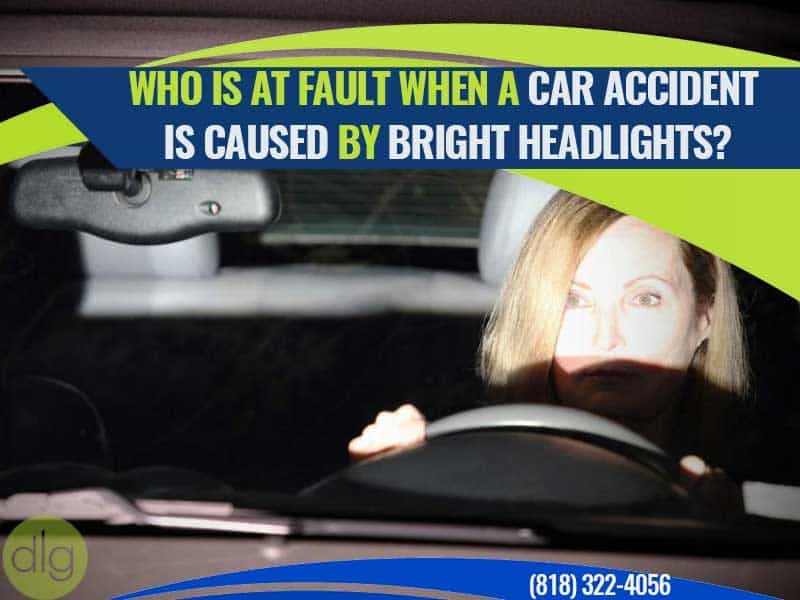
A woman driving at night is illuminated by bright headlights. Text over the image asks who is at fault when a car accident is caused by bright headlights.

General Motors is recalling over 740,000 small SUVs in the U.S. due to headlight beams that can become “too bright” and cause dangerous glare for oncoming drivers, according to a report by the Associated Press (AP).

Should You Hire a Lawyer for a Slip and Fall Injury Case?

Announced last week, the recall follows a declination from U.S. safety regulators in response to a request from the Detroit automaker to avoid the recall.

According to the AP, General Motors is recalling the following popular model vehicle:

  • GMC Terrain SUVs (model years 2010 through 2017)


The National Highway Traffic Safety Administration (NHTSA) confirmed that reflections caused by the headlight housings “can illuminate some areas with too much light,” according to the AP. As a result, the too-bright headlights can reduce visibility for other drivers, thereby increasing the risk or a car accident (or even a pedestrian crash).

“We are still finalizing an actual remedy for the affected vehicles,” GM spokesperson, Dan Flores, said to the AP.

According to the AP report, Flores did not confirm how long it would take until the repair is ready. GM, however, expects to notify owners by letter beginning April 23.

The AP reported that official General Motors documents indicated that the company has only received a single complaint from a customer (specifically in reference to headlights shining into trees).

report from Slate indicated that the GMC Terrain vehicle’s headlights are being recalled due to a “weird glitch” that causes the headlights to shine brightly at the side of the car (at up to a 45 degree angle). Accordingly, Slate’s report noted that the headlights can become “three times too bright.”

As Slate further notes:

For some time, some American drivers have been convinced that an epidemic of headlight-induced blindness is underway on the roads.”

In a 2018 Slate report, John Bullough, director at the Light and Health Research Center at Mount Sinai Hospital in New York, pointed to three separate issues regarding driving with bright headlights:

  • SUVs and pickups have taller bodies and therefore higher lights that are more likely to shine in your eyes if you’re in a lower car or on foot.
  • Bluer LED headlights, common on newer cars, feel brighter to many people.
  • Some state vehicle inspections don’t even try to adjust the position of headlights, which tend to get bumped out of whack after a couple years of driving.


According to Slate, the share of SUVs and trucks on the road has continued to increase, which means more headlights that are more likely to shine in people’s eyes.

Slate also confirmed the following information relative to LED headlights:

  • The share of LED headlights is up.
  • Though they can easily be filtered (by manufacturer or buyer) to look warmer and yellowed, these usually have a bluer tinge than earlier generations of headlights.
  • LED headlights are subject to the same brightness rules as regular headlights, but many people insist they seem brighter (including the drivers who keep buying them for that reason).


Mark Rea, a light scientist at Mount Sinai in New York, explained to Slate that headlights are measured in lumens, a unit devised to assess how light impacts a central part of the eye. The part of the eye that lumens impacts is, according to a 2015 paper from Rea, more sensitive to higher-wavelength, redder light than lower-wavelength (bluer) light.

As Slate notes, “The very measurement system we use to calibrate headlights (and everything else) is not counting blue light, and so bluer lights will have to feel significantly brighter before they register as equal in lumens.”

“Imagine a car with two headlights, one halogen, one LED. They’d both meet the requirements. The light meter would say they’re the same, but the LED would look 40 percent brighter,” Rea said to Slate. This is one of the reasons why neighbors complain about LED streetlamps, according to Slate. The lamps may have the same lumen measurement, but the LEDs are actually brighter.

“This has implications for glare, energy efficiency, and safety, all based on something some guys came up with in the 1920s. They’re measuring light inappropriately,” Rea added.

The bipartisan infrastructure bill passed year requires that regulators approve a technology known as “adaptive driving beam” headlights by 2023. According to Slate, adaptive driving beam headlights use software-enabled LEDs that adjust the headlight beam to avoid other drivers and illuminate your surroundings.

When such headlights are implemented, it will signify an end to headlight glare for drivers on the road (although the rollout will occur slowly, as new cars will likely adopt this type of technology over several years). As a result, Slate notes that the new “adaptive driving beam” technology will help drivers see much better at night, hopefully improving traffic safety and reducing the number of car accidents due to overly bright headlights.

Author

A middle-aged man wearing a dark suit, white shirt, and green tie stands outdoors, smiling at the camera.

Sam Dordulian, founder

Sam Dordulian is an award-winning sexual abuse lawyer with over 25 years’ experience helping survivors secure justice. As a former sex crimes prosecutor and Deputy District Attorney for L.A. County, he secured life sentences against countless sexual predators. Mr. Dordulian currently serves on the National Leadership Council for RAINN.

Request Free Consultation

"*" indicates required fields

This field is for validation purposes and should be left unchanged.

Five professionally dressed individuals walk confidently on a city sidewalk, with buildings and trees in the background.

Get A Free Consultation

A former Deputy District Attorney, Sam Dordulian is a highly-experienced lawyer in Los Angeles, CA, who has assisted in the prosecution of countless criminals. He is now using his experience and passion to advocate for sexual abuse victims and those involved in personal injury disputes.