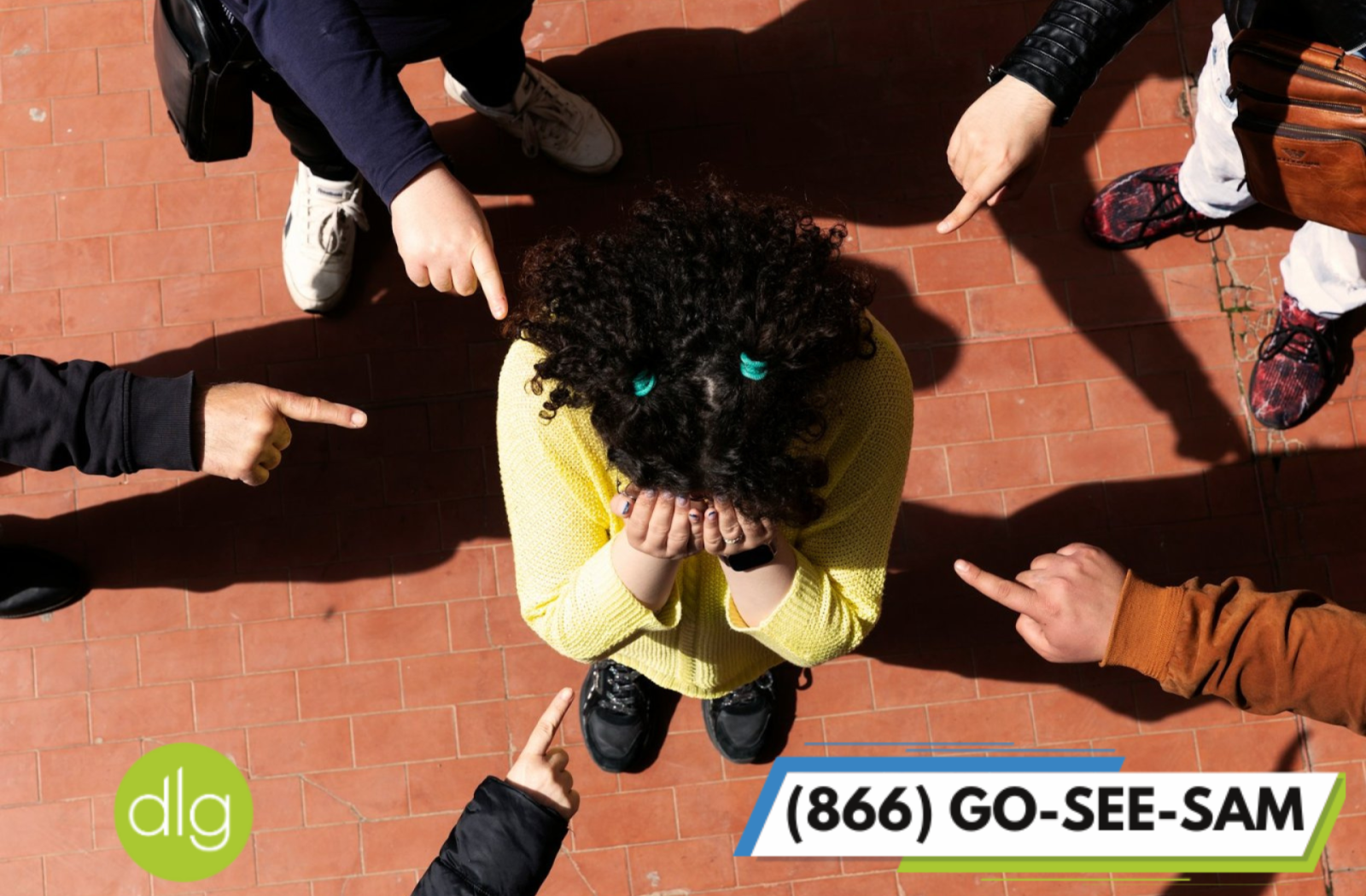
The winter break can be a welcome time to relax, catch up on sleep, and spend time with family. But for some kids, time away from the classroom doesn’t offer relief. It can come with lingering stress related to bullying. Whether bullying is happening in person at school or through apps and social media, the effects don’t pause just because school does. In Los Angeles, December brings both a shift in weather and daily routines, which can make it harder for parents to spot warning signs or provide consistent support.
Holiday schedules can also mean children are left with more downtime, which might increase exposure to online bullying or stir up anxiety about returning to school. That’s why the break is an important time for parents and guardians to check in, create a sense of safety at home, and encourage open conversations. A little extra awareness can make a big difference in how kids cope with bullying and prepare for the year ahead.
Bullying doesn’t always show up as bruises or cries for help. In many cases, it’s quiet, showing up in body language, changes in behavior, or silence that doesn’t seem to match a child’s usual mood. During the holiday break, these shifts can be easier to miss, especially if attention is divided between planning, travel, or big family gatherings.
Here are a few signs that may suggest a child is dealing with bullying:
It can also help to keep an eye on how they’re using their devices. If your child suddenly avoids their phone or gets tense after seeing a message or alert, something might be going on. One Los Angeles parent recalled how their usually chatty kid went silent around cousins and avoided group video games they once loved. These were quiet signs that bullying at school had been escalating without their knowledge.
Approaching the topic gently helps. Instead of pushing for answers, try open-ended questions like “How are you feeling about school these days?” or “Has anyone been treating you unkindly?” Kids may not always have the words to explain what’s going on, especially if they’re worried about getting others in trouble or being seen as overreacting. Give them room to talk without pressure, and let them know you’re on their side no matter what.
Starting a conversation about bullying doesn’t have to be a big talk at the dinner table. Sometimes the best time to bring it up is during a short car ride, a walk, or while prepping snacks together. These are moments when a child feels less cornered and more comfortable. Rather than going straight to questions that feel heavy, open with curiosity about how they’re feeling in general.
Here are a few tips for building a space where kids feel safe to open up:
1. Keep your tone calm and non-judgmental: Kids listen more when they don’t feel like they’re being scolded or rushed. Use a relaxed voice and stay patient.
2. Be an active listener: Show you’re really listening. Pause before responding, avoid jumping in with solutions right away, and repeat what they’ve said to make sure you understood right.
3. Validate their emotions: Even if it seems small, let them know it’s okay to feel upset, angry, or confused. Letting them feel heard helps build trust over time.
4. Avoid blaming language: Stay away from questions like “What did you do to stop it?” Focus instead on how they felt and what support they might need.
If your child opens up, thank them for trusting you and letting you know what’s going on. Follow their pace and respect how much they’re ready to share. Kids who feel heard at home are more likely to speak up when bullying happens in the future, whether at school or anywhere else.
A supportive home can be the one place where a child feels truly safe, especially during the holiday break when time away from school routines can create emotional stress. Kids who’ve been dealing with teasing, exclusion, or verbal threats often carry that weight with them. Even when they’re not physically at school, the fear or embarrassment doesn’t automatically stop. That’s why building a home environment that promotes understanding, respect, and connection takes on extra importance during winter breaks.
Here are a few ways parents and guardians can help promote a healthy space where kids feel seen and protected:
Kids learn a lot by watching you. Even how you handle stress or talk about your own day sets the tone. A child who sees a calm and encouraging home life is far more likely to open up when something’s bothering them. And that makes it easier for everyone to work through the hard stuff together.
No one wants to think about bullying happening to their child, but sometimes, the situation reaches a point where extra support is needed. If your child opens up about ongoing incidents or if their behavior shows deeper signs of emotional distress, it may be time to get help from school professionals or counselors. These people are trained to listen, step in, and begin shaping a plan that brings relief and accountability.
Start by reaching out directly to your child’s school. Ask for a meeting with a counselor, administrator, or trusted teacher who can guide the next steps. Bring notes about what your child has shared, how they’ve been acting, and any signs you’ve picked up. Don’t worry about sounding too concerned. It’s far better to act early than to wait until things get worse.
If school-based support doesn’t feel like enough or if the situation continues without resolution, legal guidance may be appropriate. School bullying lawyers in Los Angeles work with families to look at what’s been reported, whether the school responded properly, and whether there’s a case for further action.
Some families have found that working with a lawyer helped bring accountability when the response from school staff wasn’t strong enough. One parent had reported repeated issues with their child being targeted during lunch periods, but felt their concerns were ignored. After working with a lawyer, they were able to get real attention on the matter and prevent future incidents.
Every child deserves safety and respect, no matter what time of year it is. Whether bullying starts as name-calling or moves into something more severe, it’s never okay, and you don’t have to figure it out alone.
Returning to school after the holidays can feel stressful, especially for kids who are worried about seeing someone who’s bullied them. That’s why it’s important not to let support end once the break is over. Keep checking in regularly, not just when something seems wrong. That steady interest shows kids they’re not handling school issues by themselves.
Help your child build confidence by staying engaged. Ask how their day went. Celebrate small wins. Pay attention to their social circle and support activities that grow their strengths and give them a place to shine.
Let your child know you’re always there to listen. Promote activities that boost self-esteem. Encourage time with friends who treat them well. And don’t forget to take care of yourself, too. The calmer and more centered you are, the stronger your support will be. Bullying is hard, but it becomes a lot less scary when your child knows you’re in it with them.
For parents in Los Angeles navigating concerns about bullying during school breaks, getting the right support can make a lasting difference. If you’re facing a tough situation, connecting with experienced school bullying lawyers can help you understand your options and next steps. At Dordulian Law Group, we’re here to help protect your child’s well-being and guide you through the process with care and clarity.
Author

"*" indicates required fields